Public process manualContinuity network: stableInterface date: 17.08.2139Document class: public technicalOperational detail redacted under CR-18.4Public process manualContinuity network: stableInterface date: 17.08.2139Document class: public technicalOperational detail redacted under CR-18.4
Relic Works

How it works / public operating theory

How an object reaches its past.

Temporal conditioning is a regulated placement process. An object is indexed in the present, assigned a historical address, transferred under continuity lock, lived with normally, and recovered into the same local chronology.

Document familyRW-POM / public
Governing protocolContinuity 18.4
Local transit interval4.8 seconds*
Additional processingUp to 10 business days
P

This publication describes customer-visible process states only. Geometry, operating thresholds, source chronology access, and custodial selection logic have been simplified, substituted, or withheld.

Review omissions ↓

Discovery record / Declassified extract

The spool was not built for this.

Displacement began as an anomaly in two unrelated instruments. This record is provided for orientation only.

RW-002-A / Combined instrument assembly, exploded view 1 2 3 4 5 6
Assembly RW-002 / exploded viewIllustrative geometry / not for fabrication

Memorandum RW-002-A

Personnel new to the Continuity Network are reminded that displacement was logged before it was designed.

On 2026.03.14, a modulation spool logged an anomaly. The spool was built for an unrelated containment application. Material returned fractionally out of phase with its own timeline. The spool was not damaged. The deviation was left uncorrected.

On 2026.04.02, a separate laboratory logged a cohesion effect. The instrument was built to stabilize weak-force particle interactions. The effect held mass together across a boundary the instrument was not rated to cross.

The two logs were not cross-referenced until 2026.07.19, under a routine tolerance audit. The combination was tested once, deliberately, on 2026.08.05.

Neither instrument met specification for the result it produced together. Both remain in service, unmodified, under revised classification.

Relic Works was chartered 2026.11.02.

Instrument 01

Resonant Field Modulation Spool

Designation
RW-SPOOL-002
Original application
Containment coil, unrelated program
First anomaly logged
2026.03.14
Winding count
7, continuous
Status
In continuous service, reclassified
Instrument 02

Weak Force Cohesion Generator

Designation
RW-WFCG-002
Original application
Weak-force interaction stabilizer
First anomaly logged
2026.04.02
Node array
6, hub-coupled
Status
In continuous service, reclassified

Process orientation / 01

The object goes back. Its history moves forward.

Only the object travels into the past. Once placed, it experiences every year normally, then returns to you a few present-time seconds later with that history intact.

Violet: object travels backward
Green: history moves forward
You remain herePresent / 2026
  1. 01 Assess
  2. 02 Plan
  3. 03 Secure
Continuity transit4.8 seconds*
A. Object displacement17 years into the past
Historical destination2009
Present departure2026
Backward travel ends at placement.The object is now resident in 2009. History resumes in its usual direction.
B. Historical accumulation2009 to 2026 / every year is lived
2009.06.04

Place

Custodianship begins.

Continuous

Use

Material records daily life.

As required

Maintain

Repairs enter provenance.

2026.08.17

Recover

Full interval is verified.

04
The object returns to your 2026.It has lived for 17 years. Continuity transit: 4.8 seconds*
Same owner
Same local date
Object route: 2026 ← 2009 → 2026Reference owner remains local
*Published transit durations represent continuity displacement time only. Up to 10 business days of additional intake, material stabilization, predictive condition-model calibration, archive synchronization, verification, and release processing may be required before the item is returned.

Operating theory / 02

Chronology is treated as an address, not a duration.

The Continuity Network does not accelerate wear. It establishes a temporary correspondence between an indexed object and a permitted historical coordinate.

Public field model / simplified

The object packet is separated from its reference now.

Every registered object is described by a Chronometric Material Index, or CMI. The index combines causal mass, material memory, repair tolerance, owner affinity, and intended age into a single addressable placement packet.

ΨRW = (μc · αh) / (Δκ + ρp)Public notation substitute / dimensional equivalence not preserved
  • μc
    Causal massThe object's resistance to leaving its manufacture chronology.
  • αh
    Historical affinityCompatibility between construction, intended placement, and regional record.
  • Δκ
    Continuity shearThe difference between owner time and placement time at aperture closure.
  • ρp
    Provenance loadExpected documentary complexity across the custodial interval.
Reference now / κ0Address shell / H4Owner invariant / lockedObject packet / indexed
Shear coefficient0.0031 κ
Packet coherence99.84%
Observer drift< 0.0002

Placement apparatus / 03

A controlled discontinuity, built to industrial tolerances.

The displacement chamber maintains the object packet while a temporary heliocline is established between the present intake coordinate and the approved placement year.

01 / HELIOCLINE ANNULUS

Address formation

Counter-rotating index rings establish the historical coordinate without moving the reference owner.

Nominal shear 0.0031 κ
Phase offset 17.00 y
02 / OBJECT CRADLE

Packet isolation

Four contactless supports hold the object at the chamber's causal neutral point.

Surface contact 0.00 mm
Affinity loss < 0.02%
03 / KELL DRUM

Continuity lock

A mechanical reference drum preserves the owner's local chronology during transfer.

Owner drift non-detect
Lock class K-17
04 / QUIET RETURN BUS

Recovery reservation

The return coordinate is secured before departure. No placement proceeds without a valid receiving aperture.

Return token paired
Expiry none
Assembly RW-06 / sheet 01Illustrative public geometry
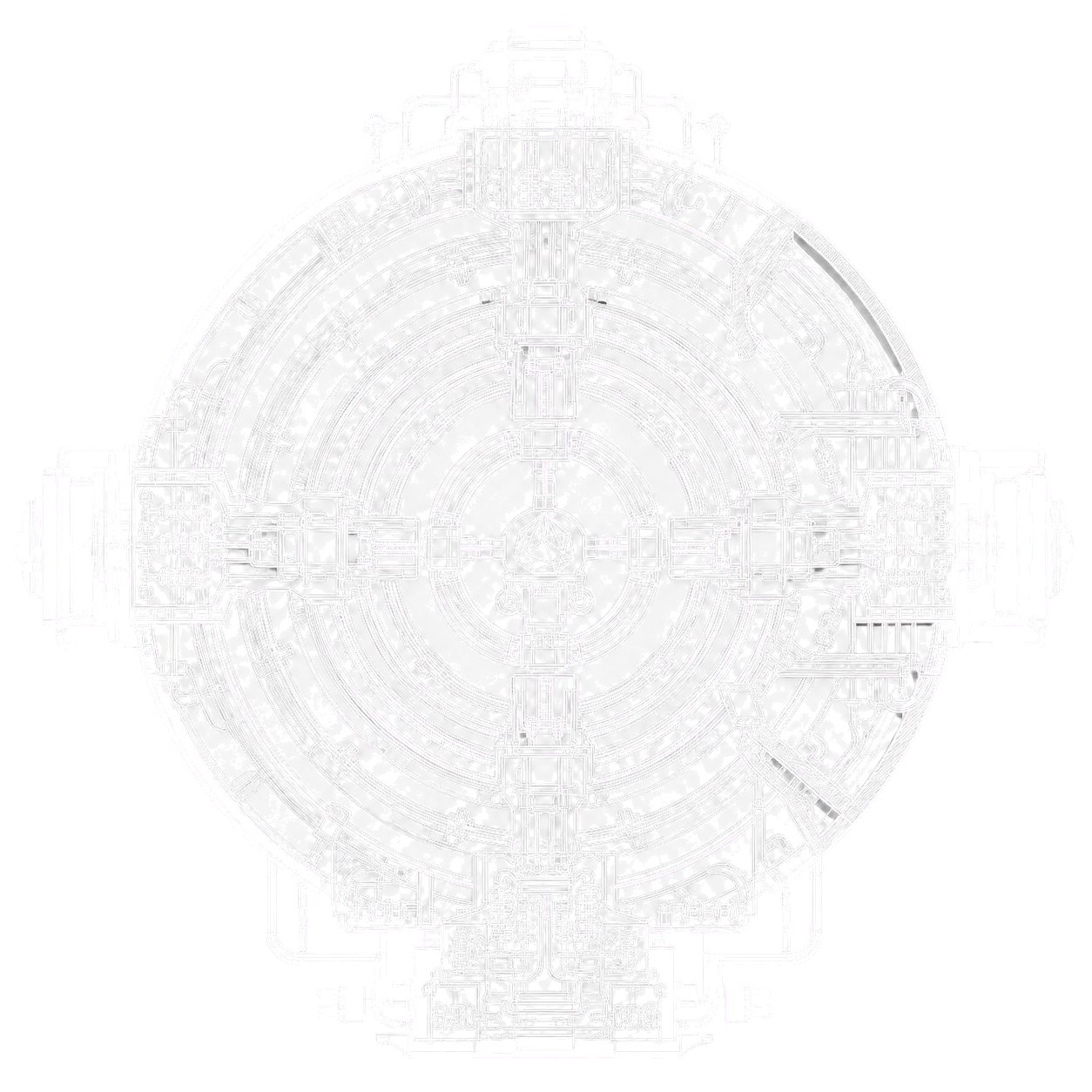
Orthographic cutaway schematic of the temporal displacement chamber
RW-06 Displacement ChamberSectional elevation / public fabrication substitute
Nominal envelope
6.25 × 6.25 × 8.00 Q
Operational band
H-4 / stable
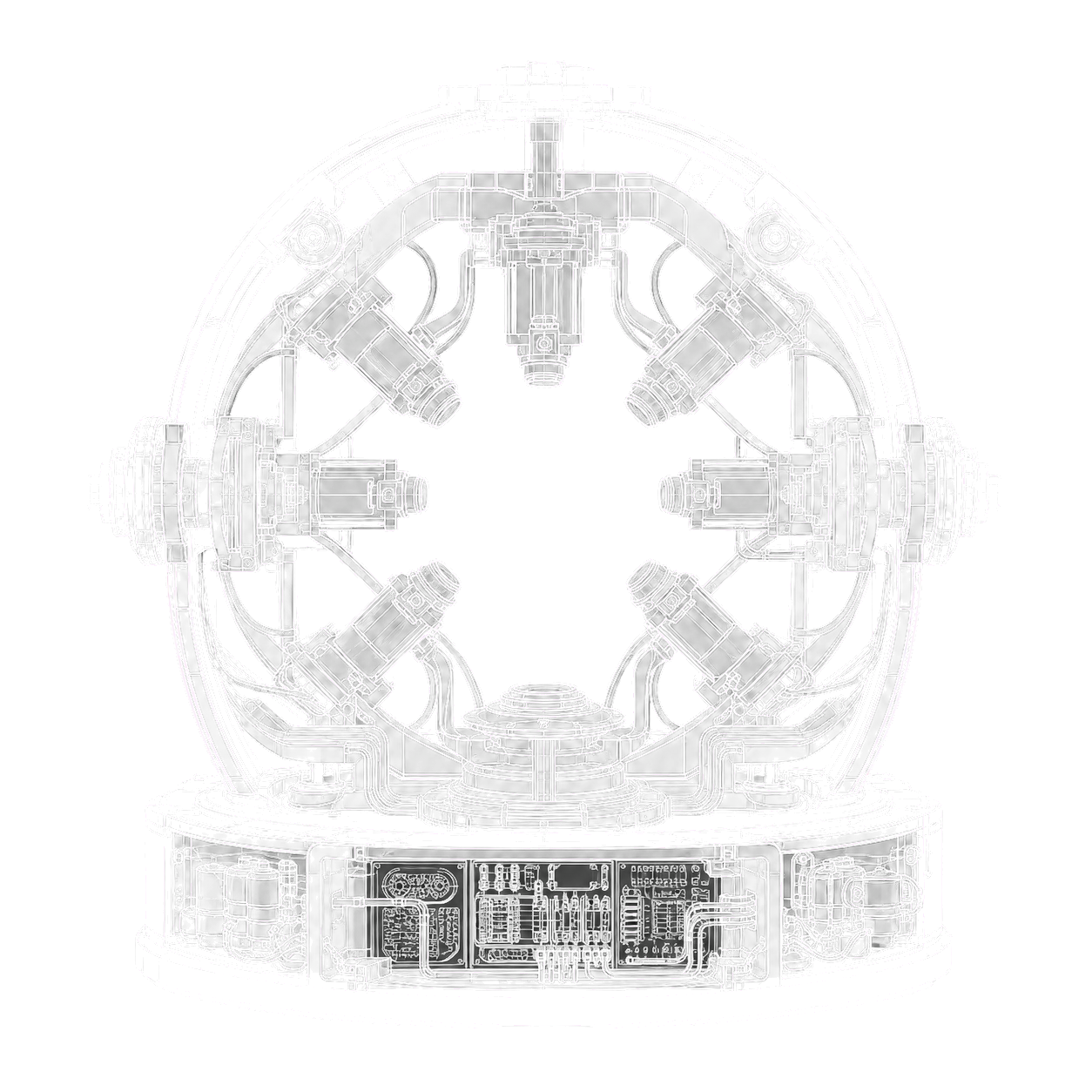
Orthographic cutaway schematic of the Heliocline Object Cradle

Subsystem RW-11

The object is held without being held.

The Heliocline Object Cradle maintains an empty contact envelope around the registered object. Its nested gimbals correct for material asymmetry, sentimental loading, and the small causal bias created by manufacture.
Support methodContactless affinity suspension
Envelope classes0.04 L to 4.8 m³
Maximum causal mass18.6 Kell units
Gimbal correctionSix-axis / non-commutative
Material exclusionActive isotopes / unresolved composites
Cradle geometry shown is intentionally non-fabricable. Dimensional relationships have been permuted under Continuity Regulation 18.4(c).
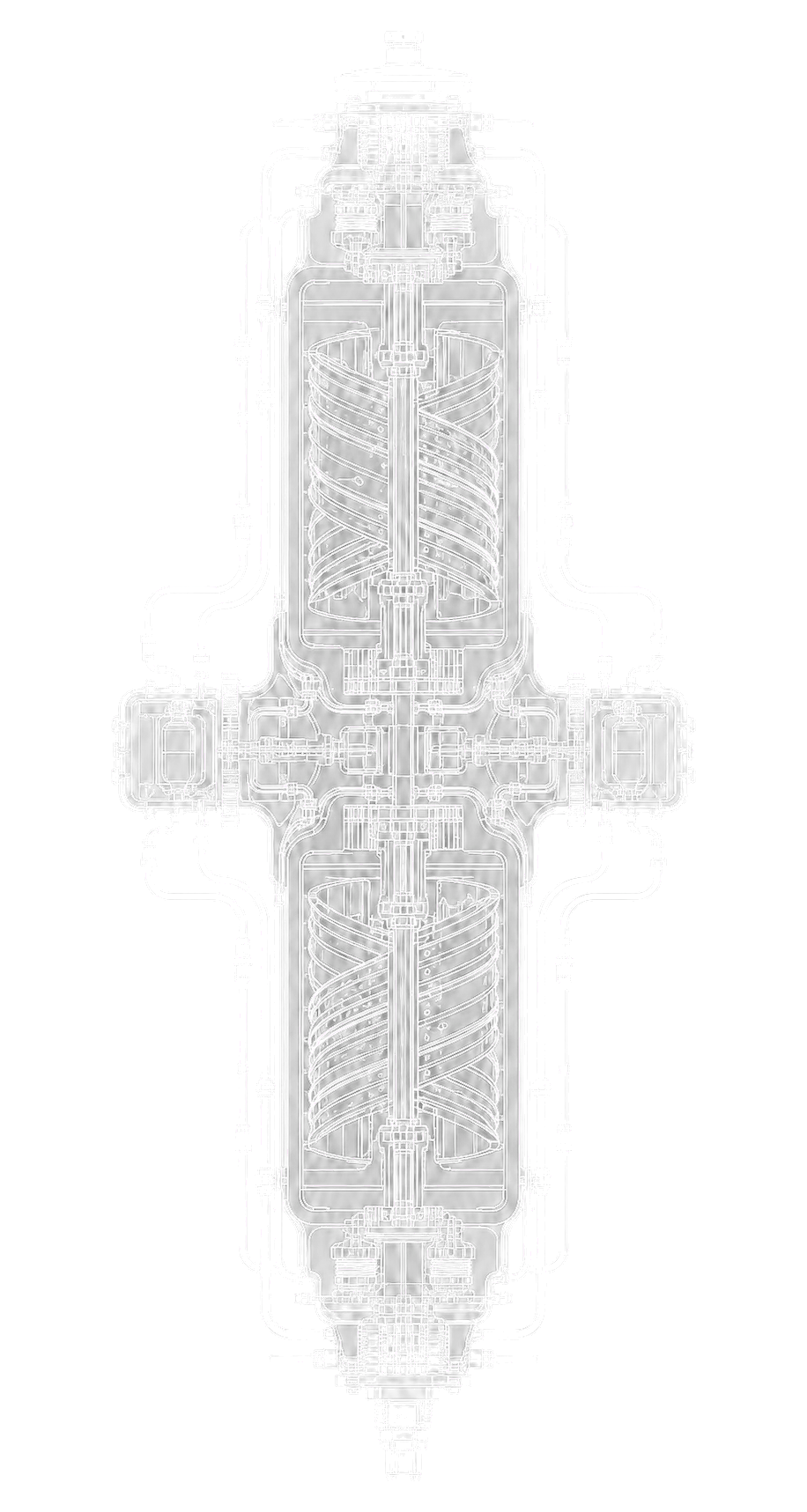
Orthographic cutaway schematic of the Continuity Phase Regulator

Subsystem RW-17

Phase is corrected before time is addressed.

The Continuity Phase Regulator removes small disagreements between the object packet and its intended historical coordinate. Its paired Kell drums continuously compare the object against a verified reference artifact already resident in the destination period.

Ingress phase+0.841 φ
Corrected phase+0.002 φ
Regulator stateConverged

Transfer protocol / 04

Five controlled states between now and then.

The public transfer sequence is deliberately linear. Internal systems operate concurrently, but customer-facing review follows five auditable gates.

Material index / CMI

The object becomes a continuity-addressable packet.

Surface scans, construction data, existing wear, repair history, and owner affinity are condensed into the Chronometric Material Index. This record defines what may change and what must remain invariant.

Scan density42 μm nominal
Affinity sample18 reference events
Index statusClosed

Address formation / Heliocline

A historical coordinate is opened around the object.

The chamber does not open a visible tunnel. It creates an address gradient, a bounded disagreement about which year contains the object. When the gradient becomes stable, the historical coordinate is permitted to win.

Gradient familyH-4 / domestic
Address depth17.00 years
Stability99.84%

Quiet displacement / QD

The object leaves without crossing the intervening years.

At convergence, the object packet changes chronological ownership. No intermediate year is traversed. The transfer is called quiet because the surrounding present records no measurable energetic, thermal, or documentary event.

Transit duration4.8 seconds*
Observer effectNon-detect
Public event count0 unresolved

Custodial handoff / CH

Ordinary life begins at the destination.

An approved custodian receives the object through an ordinary chain of possession appropriate to the placement year. From that point, the object ages at exactly one year per year.

Custodian visibilityContext appropriate
Use cadenceBrief controlled
DocumentationContinuous

Recovery reservation / QRB

The return exists before departure is allowed.

A paired recovery token remains attached to the object's reference now. When the historical interval closes, the token resolves through the Recovery Aperture Gate and the object returns for verification.

Return coordinateOwner locked
Token persistenceNon-expiring
Release authorityArchive 06

Provenance buffer / 05

History arrives with the object.

The Causality Sink Manifold captures documentary pressure created during placement, including repairs, ownership changes, geographic movement, and competing records.
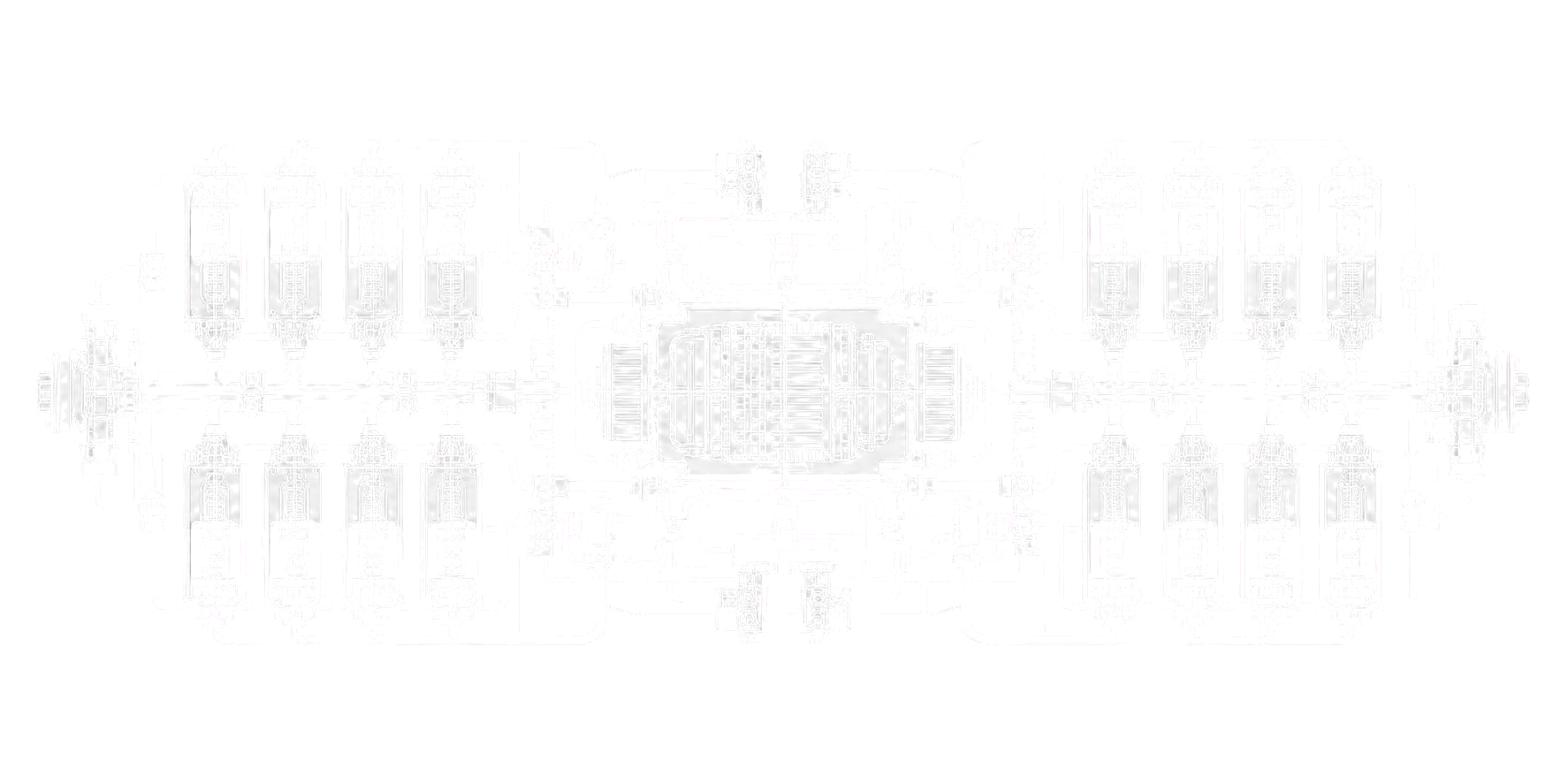
Orthographic cutaway schematic of the Causality Sink Manifold and Provenance Buffer Array
Buffer canisters12 paired
Record throughput4.2M events/s
Duplicate rejection99.9991%
Memory drumMechanical / sealed
DispositionArchive reconciliation

Recovery and verification / 06

The same object returns. Not the same condition.

Recovery closes the placement interval, confirms identity, verifies wear, reconciles provenance, and releases the object back into the owner's present.
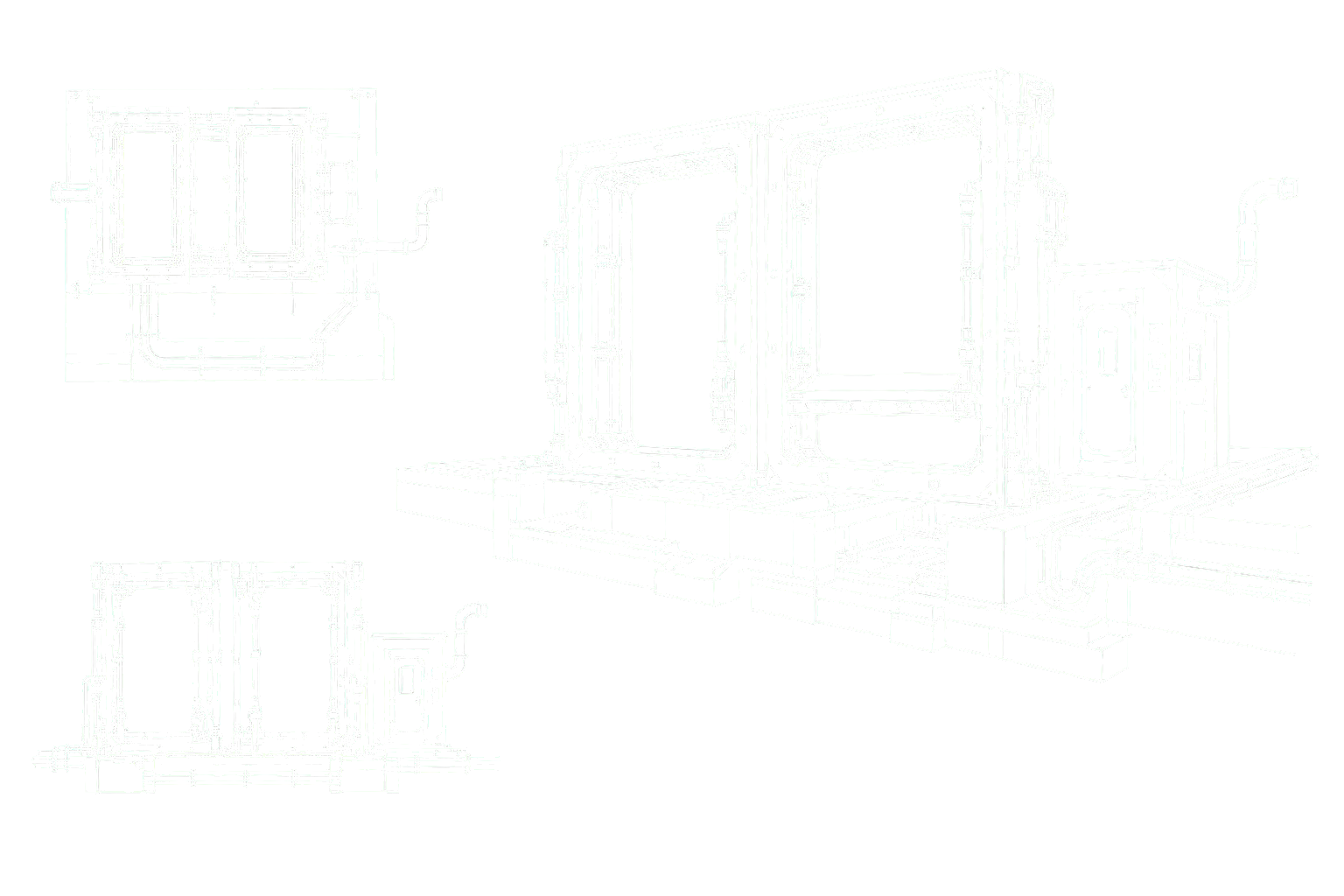
White line drawing of the Relic Works Recovery Aperture Gate

Controlled omissions / 07

Some clarity would be irresponsible.

This manual explains what happens to an object. It does not disclose how historical coordinates are sourced, how custodians are introduced, or how the Continuity Network resolves incompatible records.

  • 18.4a
    Historical address acquisitionCoordinate source:
  • 18.4c
    True chamber geometryFabrication topology withheld in all public plates.
  • 22.7b
    Custodial selection logicHuman suitability model:
  • 31.2f
    Continuity incompatibility responseAutomatic disposition authority restricted to Archive 06.

Public questions / 08

Reasonable questions about an unreasonable process.

Answers reflect the current public operating theory. Certain terms are simplified for pre-Continuity readers.

01Does the object experience the transfer?
No subjective experience is assigned to an inanimate object. Instrumentally, the object records no intermediate state between its present departure coordinate and historical placement coordinate.
02Does it arrive in the past looking new?
Yes. The object enters custodianship in its submitted condition, subject only to approved stabilization work. All subsequent wear is created by ordinary historical use.
03Why does the owner not have to wait?
The owner remains attached to the reference now. Historical duration accumulates on the displaced object packet, while the local present records only the continuity transit interval and subsequent processing time.
04Could the object change history?
Eligible placements are limited to low-coupling material contexts. Continuity buffers isolate documentary effects, and incompatible placement states are suspended before custodial handoff.
05Why can return still take up to 10 business days?
The 4.8-second figure describes continuity transit only. Material stabilization, predictive condition-model calibration, provenance reconciliation, recovery verification, and release authorization occur afterward in ordinary facility time.
06Can I see the actual machine?
Public facilities include approved observation galleries. The diagrams in this manual are explanatory substitutes and do not reproduce operational geometry, component relationships, or scale.

Public object intake / next step

Specify the history. We will calculate the route.

A material assessment determines whether your object can be placed, how far it may travel, and which forms of wear can be safely earned.
Public object intake / form RW-01

This legacy interface creates a local receipt and does not transmit object data.

Local intake receipt created.

No information has left this browser.
